EB-1A Approved for a Circus Artist in the Arts
Field
arts, circus arts, acrobatics, stage performances
Immigration category
EB-1A (extraordinary ability)
Case type
arts / creative professions
Outcome
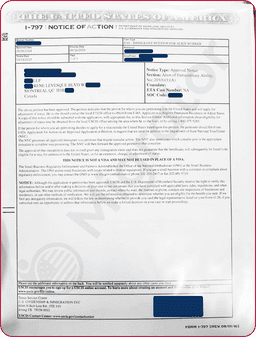
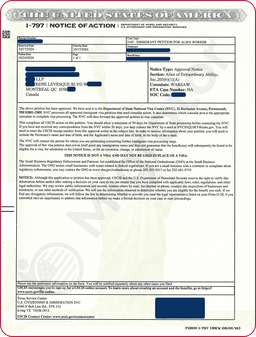
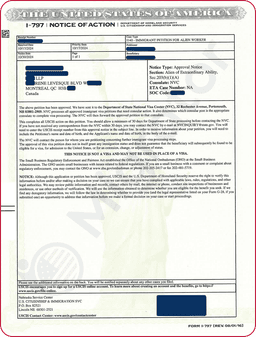
EB-1A petition approved
Visa category: EB-1A (extraordinary ability)
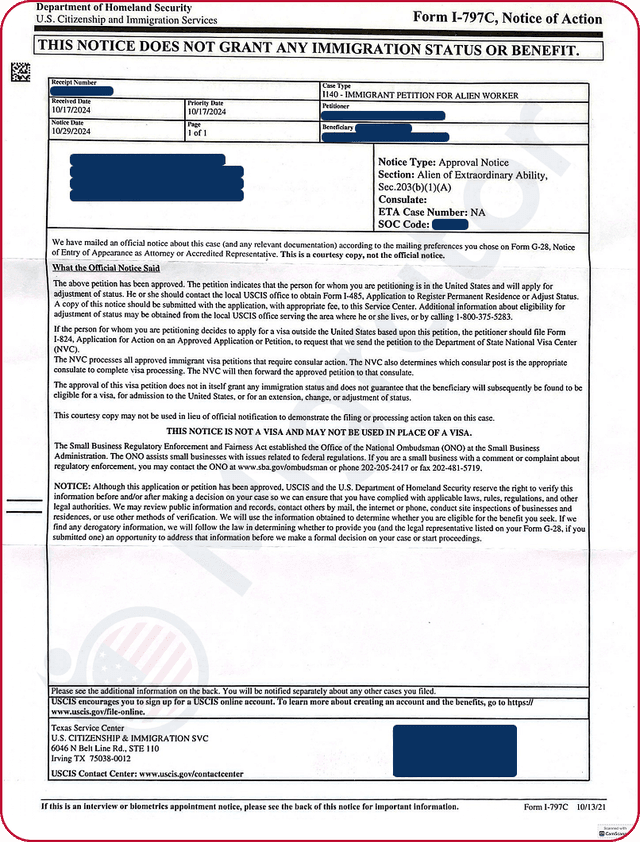
Outcome: EB-1A petition approved — decision received in 7 days
Alexander is a circus artist and acrobat who was already living and performing in the US on a P-1 visa when the work began. Later he decided not to settle for a temporary status and to build a strategy for obtaining a US Green Card through EB-1A in the arts.
This case is an example of how a professional from a creative industry can go from contract work in the US to immigration through the EB-1A talent visa. For clients in the arts this is especially important: in cases like this, the outcome is decided not only by talent and experience, but also by the proper legal packaging of achievements to USCIS standards.
In Alexander's case, the Migrator team built a strategy that gathered and properly framed the artist's achievements in circus arts: participation in major productions, professional associations, media coverage, high income, a critical role, and the success of the shows he performed in.
The petition was approved quickly: the decision on the case was received in 7 days, and the notice arrived 12 days later. For the client, this became the key step toward a freer, more stable life in the US, no longer constrained by a temporary nonimmigrant status.
This case demonstrates an important point: EB-1A for artists is a real path to a Green Card when achievements are assembled not haphazardly, but into a strong, clear, evidence-driven strategy.
Client video testimonial
A review of working with Migrator
In the interview, Alexander talks about how he came to the decision to stay in the US and why he ultimately chose the path of the EB-1A talent visa.
He explains that he and his wife originally came to the US on a contract with one company and were in the country on P-1 visas. Over time, they began thinking about legalizing their situation and securing a more stable status that would let them build a long-term life in America.
Alexander shares that before working with Migrator he consulted various specialists and attorneys, but kept running into contradictory assessments: some promised results without studying his case, while others, on the contrary, said his evidence fell short. The decision to work with Migrator came after the process was laid out step by step and the case's prospects became clear both visually and strategically.
In the interview, the client also shares:
- —his review of Migrator and the reasons he chose the company
- —a clear preliminary case assessment before the work began
- —the importance of a transparent consultation with an attorney
- —the challenges of collecting documents from different countries and cities
- —his emotions after receiving the EB-1A approval
- —his plans for life and work in the US after getting the Green Card
This video testimonial about Migrator is especially useful for anyone searching for Migrator reviews or wanting to understand how an EB-1A case is prepared for performers, musicians, circus artists, and other creative professionals.
Case breakdown
How an EB-1A in the arts was obtained for a circus artist
Starting point
Alexander is a circus artist and acrobat with a well-known circus production who was already living and working in the US. His goal was not simply to extend a temporary status, but to obtain a Green Card through EB-1A as an artist of extraordinary ability.
For the EB-1A category in the arts, it is essential to prove not only the applicant's professional level, but also their significance within productions, shows, awards, professional associations, and industry recognition. Artistic cases call for their own logic: many strong achievements do not look obvious to the immigration service unless they are explained correctly.
That is why the Migrator team's task was not merely to collect documents, but to show that Alexander's achievements meet the EB-1A criteria for creative professions.
Case details
The result
The EB-1A petition was successfully approved.
For Alexander, this was more than a legal result — it was the transition to a new stage of life in the US. With the approval, he gains more freedom to build his future, grow his career, and explore additional opportunities, including business projects that his previous P-1 status had restricted.
This case shows that US immigration for artists is not abstract theory, but a working path — when the case is built thoroughly, professionally, and with an understanding of what a creative profession involves.
Alexander's advice for anyone planning to immigrate
Alexander puts his advice very plainly: if you are planning a move to the US, it is best to do it legally.
It is a short thought, but it carries the whole point. Especially now, with so many dubious schemes and promises of quick results around, the legal, strategic path to US status remains the most reliable one.
Why Alexander recommends Migrator
EB-1A visa consultation
If you are an entrepreneur, a business owner or building your own project and considering immigration to the US — submit a request and we will assess your case and map out the right strategy.
Submit a request